
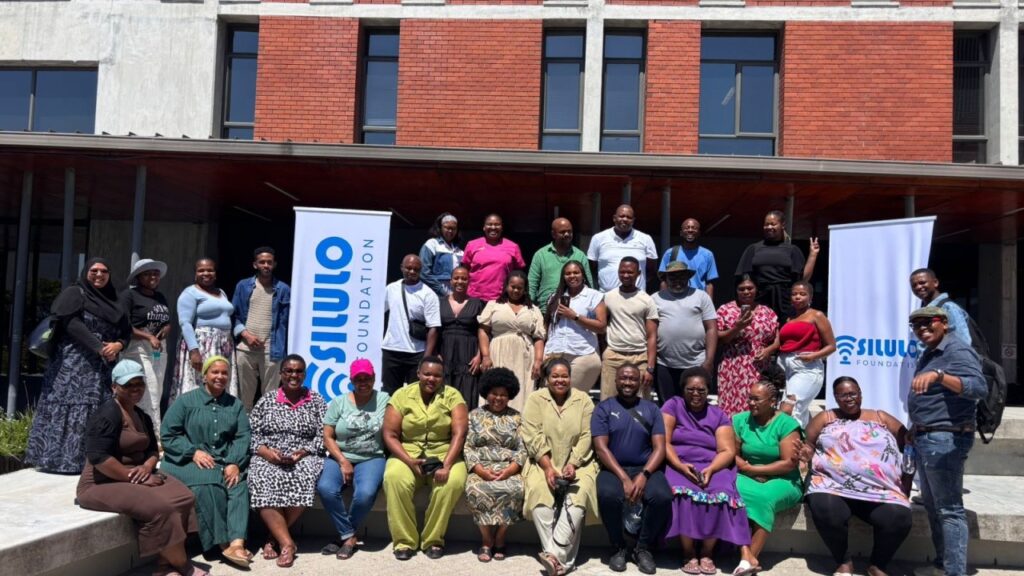
Three weeks ago, we officially launched Cohorts 8 and 9 at the Silulo Foundation. Since then, we have already completed our first three bootcamps.
With over 96 entrepreneurs enrolled in the Silulo Foundation Entrepreneurship Programme across both cohorts, the momentum is tangible. Founders from across Cape Town’s previously disadvantaged communities are not only building businesses — they are building resilience, strategy, and long-term growth pathways.
But what makes this moment particularly significant is not just the launch of new cohorts. It is the reflection on what happens when township businesses scale — and when they exit successfully.
The Compound Effect of Scaling & Exiting Businesses
Over the past two years, we have witnessed measurable, data-backed growth from entrepreneurs within our ecosystem:
· Revenue growth and improved financial management
· Job creation and team expansion
· Formalisation of operations
· Stronger governance and accountability
· Improved market access
· Entrepreneurs positioning themselves for investment
· And in some cases, strategic exits that allow founders to reinvest and build again
When one business scales sustainably, the impact multiplies:
· Families gain stability
· Local economies circulate more capital
· Young entrepreneurs see what is possible
· Communities begin to shift from survival to growth
When an entrepreneur exits successfully, the multiplier deepens. Many return as mentors, collaborators, and ecosystem builders — reinforcing the cycle of opportunity.
This is the compound effect of entrepreneurship done intentionally.
Reflections from Luvuyo Rani
During Bootcamp 2, Luvuyo Rani, Founder of Silulo Foundation, shared a deeply personal reflection on his own entrepreneurial journey — the challenges, the mistakes, the lessons learned, and the mindset required not just to start, but to sustain and grow a venture.
He spoke candidly about failure. About starting multiple ventures. About learning hard lessons in leadership, partnerships, and financial discipline. About the emotional resilience required to keep building when outcomes are uncertain.
He emphasised that entrepreneurship is not linear. It demands:
· Long-term thinking
· Courage to recover from setbacks
· Discipline to build systems, not just hustle
· And a commitment to purpose beyond profit
What made the session truly special was engaging with the inspiring entrepreneurs from Silulo Foundation Cohort 9. Many spoke openly about the realities they face every day — navigating distractions such as crime and safety concerns, the loneliness that often comes with entrepreneurship, and the lack of strong support systems. These are real challenges that many entrepreneurs in our communities carry while trying to build something meaningful.
Yet what stood out most was their unwavering commitment to keep going. Despite these obstacles, they continue to build, learn, and push forward. They are actively seeking business support from the Silulo Foundation to strengthen their foundations and take their ventures to the next level.
Moments like these remind us why this work matters so deeply. Supporting impact entrepreneurs and social innovators who are determined to create change — even in the face of adversity — is at the heart of what we do.
Their courage, ambition, and persistence are a powerful reminder that the future of our communities is being shaped by those who choose to act, despite the odds.
Building a Replicable, Data-Driven Model
As we strengthen Cohorts 8 and 9, we are also refining something bigger: a replicable, data-driven growth model. Through innovative data capture systems, we are:
· Tracking entrepreneur growth longitudinally
· Measuring outcomes beyond revenue — including governance, resilience, and network strength
· Providing transparent feedback to partners
· Building evidence for scalable, repeatable township growth frameworks
This data does more than report impact. It strengthens design, informs funding decisions, and enables replication.
This is ecosystem building at scale.
Two Bootcamps, Honest Conversations
We have hosted two bootcamps in Dunoon and Khayelitsha bringing together entrepreneurs enrolled in the programme from across Cape Town and creating spaces for honest dialogue about the systemic barriers they face:
· Crime and extortion
· Limited access to capital
· Blacklisting and damaged credit histories
· Lack of financial safety nets
· Restricted market access
One key takeaway stood out clearly:
Money isn’t the only currency. Relationships are currency. When capital is limited, networks unlock access. When credit history closes doors, mentorship opens new pathways. Social capital often becomes the bridge between vision and opportunity.
A Collective Effort
This work would not be possible without the commitment of our valuable partners:
· Astron Energy Development Fund
· University of the Western Cape (UWC)
· University of Notre Dame’s UPBI Programme
· Avuke Group
· Isivivana
We are also grateful to the speakers, community leaders, alumni entrepreneurs, presenters, and pro bono contributors who continue to share their knowledge and strengthen this growing ecosystem. Together, we are building more than businesses. We are building a model for inclusive economic growth.
And as Cohorts 8 and 9 move forward, we remain committed to reflection, multiplication, and the long-term compound effect of scaling entrepreneurship where it matters most.